Storm Damage Roof Repair in Houston - Fast, Local, Reliable
When storms strike Houston and surrounding areas, your roof is the first line of defense and often the first part of your home to suffer. High winds, driving rain, and sudden hail leave shingles torn, flashing bent, and leaks spreading inside ceilings. If you’re searching for storm damage roof repair in Houston, chances are you’ve just been through one of these stressful moments.
This guide walks you through everything you need to know: the types of damage storms cause in Houston, how to inspect safely, when to repair vs. replace, how insurance works, and what to expect from a trusted local contractor.
Why Storm Damage Roof Repair in Houston Matters
Storm damage is more than cosmetic. A single missing shingle can expose your decking to rain. Over a few days, water seeps into insulation, then drywall, and finally into your living spaces. The earlier you act, the smaller the repair bill.
Key reasons fast roof repair is critical in Houston:
Prevent mold growth: Humid Houston air accelerates mold in damp insulation.
Protect insurance claims: Insurers expect homeowners to take “reasonable steps” to prevent further damage.
Reduce costs: Catching a valley leak early is far cheaper than a full decking replacement.
Peace of mind: Knowing your roof is secure before the next storm rolls in.
Common Types of Storm Roof Damage in Houston
Wind Damage
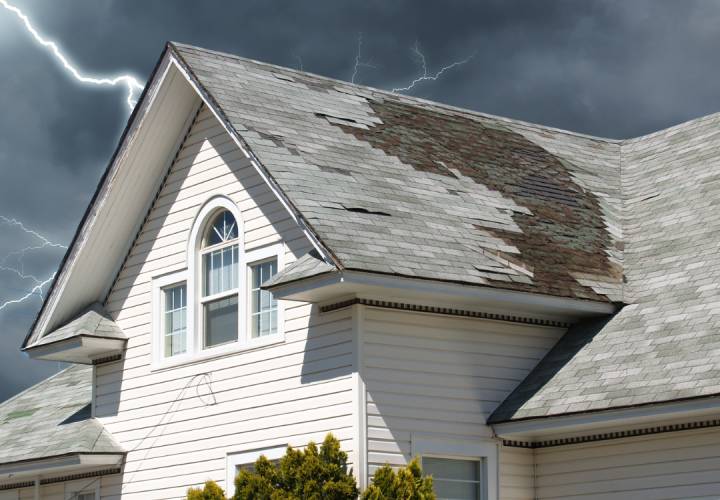
Shingles torn off edges and ridges.
Lifted shingles breaking adhesive seals.
Flashing bent, especially around chimneys and skylights.
Hail Damage
Dents and bruises weakening shingles.
Granule loss exposing asphalt.
Cracks invisible from the ground but serious over time.
Heavy Rain & Flooding
Leaks at valleys and flashing points.
Overflowing gutters forcing water into fascia boards.
Debris Impact
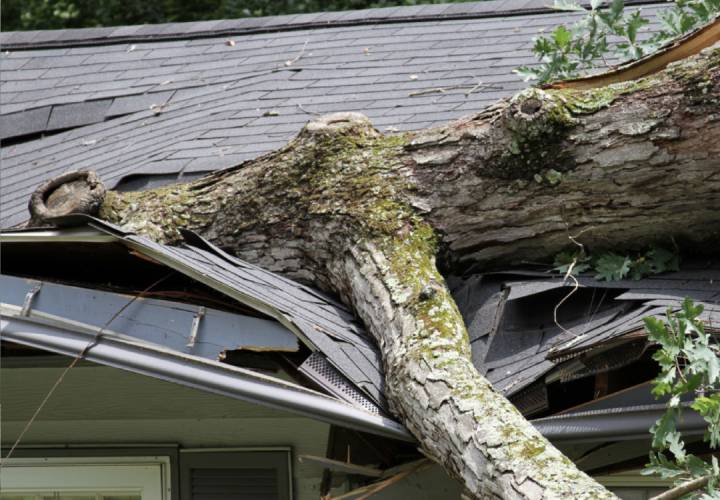
Branches puncturing decking.
Blown objects damaging vents or skylights.
How to Spot Roof Damage After a Storm
Not all damage is visible from the ground. Here’s what you can safely check without climbing:
Missing shingles or dark bare patches.
Asphalt granules in gutters or near downspouts.
Interior water stains on ceilings or walls.
Musty smell in the attic or damp insulation.
Tip: Never climb a wet or storm-damaged roof. Call a professional roofer for inspection.
Immediate Steps to Take After a Storm
Ensure safety first — stay away from power lines and unstable structures.
Document visible damage — take photos inside and outside.
Prevent further water intrusion — a tarp may be necessary.
Call a roofing company for emergency service.
Contact your insurance carrier if the damage is significant.
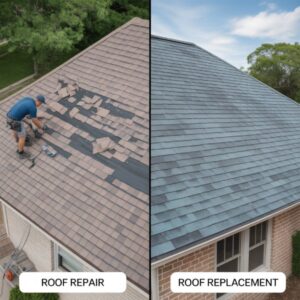
Roof Repair vs. Roof Replacement After Storms
Many homeowners assume storm damage means total replacement, but that isn’t always true.
Roof repair makes sense when:
Damage is localized (a few missing shingles, one valley leak).
Roof is fairly new (under 10 years old).
Flashing or vent boots are the main issue.
Roof replacement may be needed when:
Hail impacts cover large areas.
Multiple slopes have wind uplift.
Roof is nearing the end of its lifespan.
What a Storm Damage Roof Inspection Includes
A quality inspection from a Houston roofing company should include:
Full roof walk (checking shingles, valleys, flashing, gutters).
Attic check for leaks and moisture.
Photos of every problem area.
A clear, line-item estimate with materials and labor.
Timeline: How Fast Can Storm Damage Be Fixed?
Inspection: Same-day or next-day.
Emergency tarp: Within hours if urgent.
Repairs: Often completed in 24–72 hours.
Replacement: Typically 1–3 days once approved.
Preventing Future Storm Damage in Houston
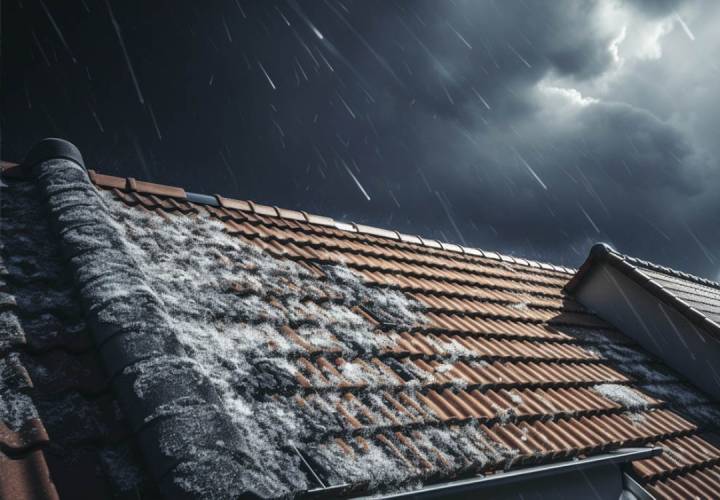
You can’t stop storms, but you can prepare:
Trim trees near your roof.
Keep gutters clear before heavy rain.
Upgrade to impact-resistant shingles.
Ensure proper flashing and ventilation.
Schedule yearly inspections.
FAQs
Q: How do I know if hail damage is serious?
A: Even if leaks aren’t visible, bruised shingles weaken over time. Inspection is essential.
Q: Can I repair storm damage myself?
A: DIY tarping may help short-term, but full repairs require professional skill.
Q: Will filing a claim raise my insurance rates?
A: Storm damage is usually considered “an act of nature.” Rates may not increase like they would for liability claims.
Q: Do I need to replace my roof after every storm?
A: No. Often targeted repairs restore protection. Replacement is only for widespread damage.