Roof Ventilation in Houston - More Than Just Airflow
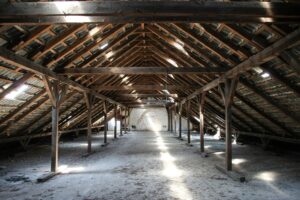
Most homeowners think of shingles when they hear “roof,” but there’s a hidden system that determines how long your roof will last: ventilation. In Houston, where summer heat often pushes attics above 140°F and humidity clings to everything, roof ventilation isn’t optional — it’s essential.
Without it, your shingles age prematurely, your AC works overtime, and your attic becomes a breeding ground for mold. With it, you extend your roof’s life, protect your home, and save money.
Why Roof Ventilation Matters in Houston
Extreme Heat
Houston summers cook shingles and warp decking.
Without airflow, attic temperatures soar, baking your roof from below.
High Humidity
Moisture builds in unventilated attics.
Leads to mold, mildew, and rotten decking.
Energy Costs
Poor ventilation traps heat.
AC units strain, spiking utility bills.
Roof Longevity
Ventilation balances temperatures and reduces expansion/contraction stress.
Extends roof life by years.
Signs of Poor Roof Ventilation in Houston Homes
Hot attic even at night.
Sky-high energy bills in summer.
Shingles curling or blistering prematurely.
Mold smell from attic or upper rooms.
Condensation on rafters or insulation.
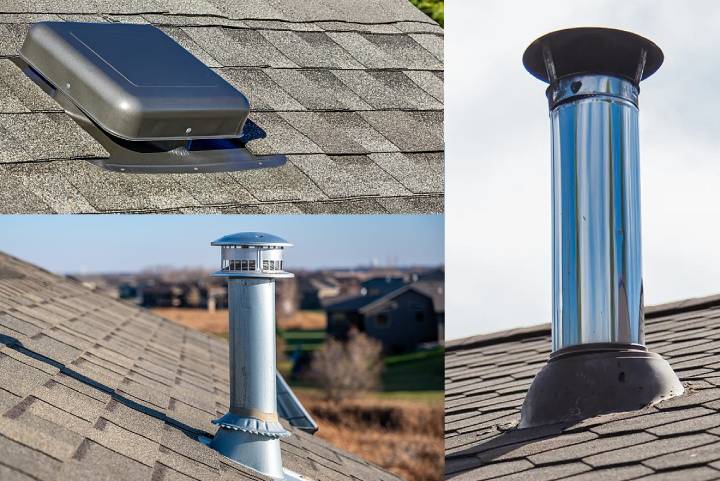
Types of Roof Ventilation Systems
1. Ridge Vents
Run along the peak of the roof.
Provide consistent, balanced airflow.
A preferred option for many Houston homes.
2. Soffit Vents
Located under the eaves.
Pull in cooler air from outside.
Balance with ridge vents for a complete system.
3. Gable Vents
Found on the sides of attics.
Help circulate but may be less effective alone.
4. Powered Attic Fans
Electric or solar-powered.
Boost circulation in large or complex attics.
The Benefits of Proper Roof Ventilation
Lower cooling costs.
- Longer shingle lifespan.
Healthier air quality inside your home.
Protection against mold and rot.
Improved overall comfort.
Roof Ventilation and Energy Efficiency in Houston
According to the U.S. Department of Energy, proper attic ventilation can reduce cooling costs by up to 10–12%. In Houston’s long summers, that translates into serious savings over time.
Common Myths About Roof Ventilation
Myth 1: Ventilation isn’t needed in warm climates.
Fact: It’s especially critical in hot, humid climates like Houston.
Myth 2: More vents always mean better airflow.
Fact: Balance is key — intake (soffits) and exhaust (ridge/gable).
Myth 3: If my AC works, ventilation doesn’t matter.
Fact: AC cools inside your home, not your attic. Poor ventilation still damages roofs.
Professional Roof Ventilation Inspections
A roofing contractor in Houston will:
Inspect attic temperature and airflow.
Check for condensation or mold.
Verify soffit and ridge vents are balanced.
Recommend improvements tailored to your roof.
Preventing Problems With Good Ventilation
Schedule yearly roof inspections.
Clean soffit vents of dust or paint blockages.
Pair with proper insulation for best results.
Upgrade to ridge vent systems during roof replacement.
FAQ's
Yes. Cooler attics mean your AC runs less.
Yes, unless the design uses “hot roof” insulation systems, which are rare.
In most cases, yes. Soffit or gable vents can be added, and fans can be installed.
Ridge + soffit vents usually offer the most effective and balanced airflow.
Roof ventilation might not be as visible as shingles, but it’s what makes your roof last and your home livable. Don’t let Houston’s heat and humidity shorten your roof’s life or drain your wallet.
Request your free inspection
Posted onTrustindex verifies that the original source of the review is Google. I contacted the team and they were able to replace my garage roof the same week. Very quick and punctual. I am a very satisfied customer and would recommend their service.Posted onTrustindex verifies that the original source of the review is Google. From start to finish, All Over Roofing was easy to work with. They were prompt, responsive, and professional every step of the way. Every question I had, no matter how small, was answered quickly and thoroughly. They also worked with me to negotiate a fair contract at a competitive price. When it came time to do the job, their crew showed up on time and knocked it out in one day, efficient and well-organized. They came back the next day to take care of every punch list item I noticed without hesitation. I’m grateful for their hard work and professionalism, and I wouldn’t hesitate to recommend them to anyone in need of roofing or general contracting work.Posted onTrustindex verifies that the original source of the review is Google. Julio and his team did an excellent job for us. We had him replace old siding, rewrap and stain 30 columns and pressure wash a large porch area. Julio quoted a fair price, communicated well during the process and his team was respectful of our property.Posted onTrustindex verifies that the original source of the review is Google. Nothing but good things to say about Julio and his team. We had to do a full siding replacement for our house due to age and a critter clawing through a rotted spot. Julio and his team were able to recreate the style we requested, replace all of the fascia, soffits, and gutters, and painted the house. Our house looks great and the work of Julio and his crew have greatly enhanced its curb appeal. Will definitely be using them in the future when it is time to replace the roof :-)Posted onTrustindex verifies that the original source of the review is Google. We had a great experience with Julio and his crew. We needed a new roof to close the sale of our house and Julio responded quickly with a bid and immediately started the work. He scheduled a large enough crew to get the job done quickly and took great care that there was no damage to plants or trash left in the pool or yard. We highly recommend All Over Exterior Roofing.Posted onTrustindex verifies that the original source of the review is Google. I needed a full roof replacement and got quotes from several contractors. Julio got back to me quickly with a detailed estimate at a reasonable price. Communication was great, they were happy to answer all of my questions about the different options, and were able to get me on the schedule quickly. The crew showed up on time, finished earlier than expected, and left the area erring the house clean. The new roof looks great, would definitely recommend All Over Exterior Roofing.Posted onTrustindex verifies that the original source of the review is Google. Crew arrived on time and finished by 3pm same day. High quality work. The Crew Lead was available and explained the process, also answered all my questions satisfactorily. Excellent execution overall.Posted onTrustindex verifies that the original source of the review is Google. Outstanding service by Julio and his team from the initial meeting to installation to final cleanup! Highly recommend!Posted onTrustindex verifies that the original source of the review is Google. Great work, exceptional service. Full engagement, with great advice on dealing with insurance and providing information on the best practices concerning roof replacement.Posted onTrustindex verifies that the original source of the review is Google. Excellent delivery of work, giving due care and attention to the work on our historic home in Montrose. The crew were very responsive and respectful, and they kept us informed on progress or any problems requiring attention. I highly recommend All Over Exterior Roofing.