Houston summers are brutal. When July and August hit, your air conditioner becomes the most important appliance in your home. But have you ever noticed that no matter how low you set the thermostat, your upstairs rooms still feel hot and muggy? Or perhaps you dread opening your electricity bill because the numbers keep climbing?
The problem might not be your AC unit. The problem is likely your roof.
Specifically, your roof ventilation.
At All Over Exterior Roofing, we inspect thousands of roofs across Texas, and we see the same issue repeatedly: improper attic ventilation cooking the house from the top down. Here is why ventilation matters and how fixing it can save you money.
The Science: How Your Attic Traps Heat
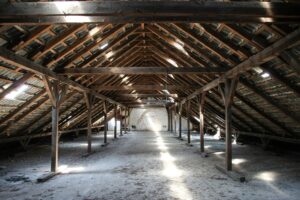
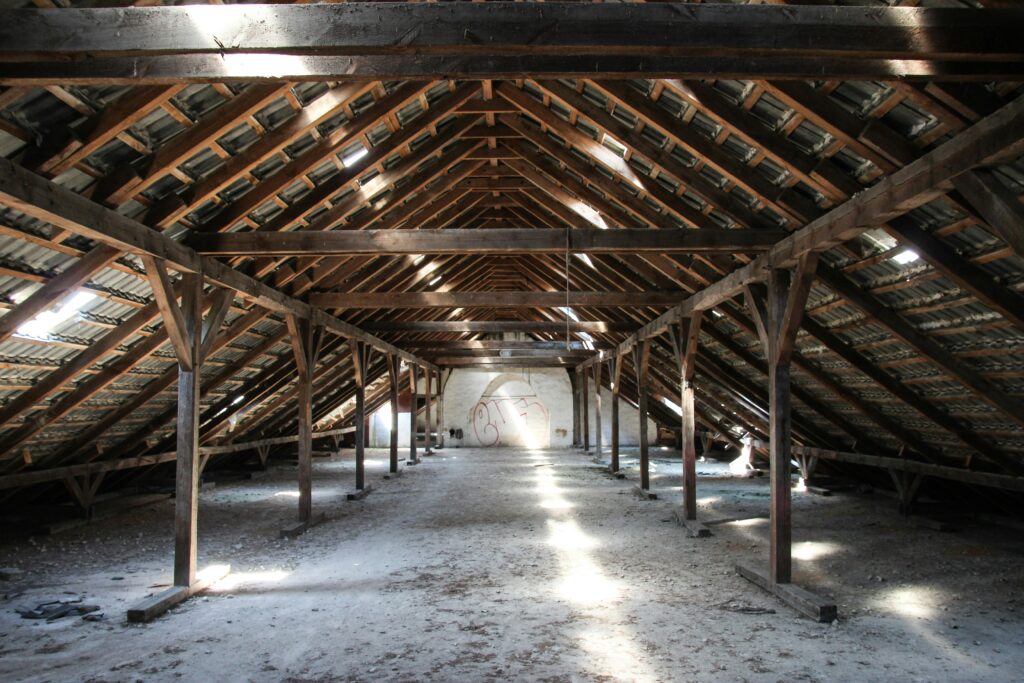
Think of your attic as a heat trap. On a 95°F day in Houston, the sun beats down on your shingles. That heat transfers through the roof deck and into your attic space. Without proper airflow, your attic temperature can easily soar to 150°F or more.
If your attic is 150°F, that heat has nowhere to go but down—right into your living space.
- The Burden on Your AC: Your cooling system has to work twice as hard to fight this blanket of superheated air sitting on top of your ceilings. This leads to higher energy bills and shortens the lifespan of your AC unit.
- The “Oven Effect”: This excessive heat can actually “cook” your shingles from the underside, causing them to blister and crack prematurely, voiding manufacturer warranties.
It’s Not Just Heat, It’s Humidity
(The Mold Threat)
In Houston, humidity is a constant battle.
In the winter or during rainy seasons, warm, moist air from inside your home (from showers, cooking, breathing) rises into the attic. If that moisture cannot escape through roof vents, it condenses on the cold wood surfaces of your roof deck.
This creates the perfect breeding ground for mold and mildew.
Over time, this trapped moisture can rot your roof decking (the plywood foundation of your roof) and ruin your insulation. Wet insulation loses its R-value (effectiveness), making your home even less energy-efficient.
How Proper Roof Ventilation Works
Effective ventilation is all about balance. You need a continuous flow of air entering low and exiting high.
Intake (The Inhale): Fresh, cooler air enters through Soffit Vents located under the eaves of your roof.
Exhaust (The Exhale): Hot, stale air escapes through Ridge Vents, Turbines, or Box Vents located near the peak of the roof.
The Chimney Effect: As the hot air rises and exits the top, it naturally pulls cooler air in from the bottom. This cycle flushes out the heat and moisture, keeping your attic temperature closer to the outside temperature.
Common Ventilation Mistakes We See in Houston
Many homes, especially older ones, were built with inadequate ventilation. Here are common errors:
Blocked Soffit Vents: Homeowners often inadvertently block these vents with insulation when trying to make their home “warmer” in winter, choking off the airflow.
Mixing Vent Types: You should never mix different types of exhaust vents (like having a Ridge Vent AND a Turbine). This disrupts the airflow and can actually suck rain into your attic.
Not Enough Vents: There is a specific calculation (the 1/300 rule) to determine how much ventilation a roof needs based on its square footage. Many roofs simply fall short.
Signs Your Roof Ventilation is Poor
You don’t need to be a roofer to spot the warning signs:
- Icicles in Winter (Ice Dams): Though rare in Houston, they indicate heat escaping too fast.
- Hot Ceilings: Touch the ceiling of your top floor on a hot day. It should not feel hot.
- High Energy Bills: A sudden spike in cooling costs without a change in usage.
- Mold in the Attic: Dark spots on the plywood or rafters.
Curling Shingles: Shingles look worn out years before their warranty is up.
The Solution: A Ventilation Audit
Improving your roof ventilation is one of the most cost-effective upgrades you can make. Installing a Ridge Vent system or adding more intake vents can drastically lower your cooling costs and extend the life of your entire roof system.
Don’t let your attic burn a hole in your wallet.
If your home feels inconsistent, or your energy bills are out of control, let us take a look. All Over Exterior Roofing provides comprehensive roof inspections that include a check of your ventilation system.
Schedule Your Ventilation Check Today
Stay cool and save money.